

Car insurance can often feel like a complex labyrinth, filled with a variety of options, conditions, and rules. For many drivers, understanding how to effectively navigate this labyrinth is crucial not only for meeting legal requirements but also for ensuring they get the optimal coverage at the lowest rates. Whether you are a new driver or have been on the road for a long time, the process of selecting car insurance can be overwhelming.
In this manual, we strive to simplify auto insurance by providing you with practical tips and tricks to help you make informed decisions. From knowing the various types of coverage to learning how to compare quotes, we will provide you with the knowledge you need to tackle the intricacies of car insurance with confidence. With the right information, you can safeguard yourself and your car without breaking the bank.
Comprehending Vehicle Insurance Basics
Car insurance is an contract between the car proprietor and a insurance company that delivers monetary safeguarding in the case of accidents or losses related to the protected car. Vehicle coverage typically covers a range of scenarios including responsibility for injuries to others, harm to property, and personal wound coverage. Understanding the coverage options present is essential for choosing the appropriate plan that fits your requirements.
There are various kinds of insurance that constitute a thorough car coverage policy. Responsibility coverage is mandatory in most jurisdictions and covers losses or harm that you cause to others in an accident. Crash insurance assists pay for fixes to your personal car after an incident, while comprehensive coverage covers non-accident events such as theft or vandalism. Extra options may include underinsured motorist coverage and health payments coverage.
When looking for vehicle insurance, it's important to evaluate your specific needs and contrast quotes from various companies. Factors such as your motorist history, the kind of vehicle you own, and your credit score can influence your costs. Comprehending how these elements work together can enable you to make knowledgeable decisions, eventually resulting in improved coverage at a cost that suits your financial plan.
Types of Car Insurance Coverage
Grasping the distinct types of car insurance coverage is important for all vehicle owner. The most prevalent type is liability coverage, which is obligatory in many states. This coverage covers losses to a third party's property and healthcare costs if you are culpable in an accident. It helps secure your financial stability in case you cause harm to another person on the road.
Another important type of coverage is collision insurance. This protects your vehicle in the case of an accident, no matter who is who is at fault. If you hit another automobile or an item, collision coverage will assist in covering repairs to your vehicle or, if it is beyond repair, the actual cash value of the car. For those who have more modern or higher-value cars, this coverage is often considered as a necessity.
Comprehensive coverage is also a crucial component of auto insurance. Unlike collision coverage, comprehensive insurance insures damage to your vehicle caused by non-collision events, such as theft, vandalism, natural disasters, or colliding with an animal. Many lenders and dealerships may require this coverage if you are financing your vehicle, as it guarantees protection against a wider range of risks.
Factors Influencing Your Rates
One of the key factors impacting your auto insurance premium is your driving record. Insurers typically evaluate how reliable a driver you are by reviewing your history of accidents, infractions, and payouts. A clean record with no incidents or violations often leads to lower rates, while a record with multiple infractions can significantly increase your costs. Therefore, maintaining a careful driving style is not only beneficial for your own well-being but also for keeping your insurance costs affordable.
Another critical element is the type of vehicle you own. Different cars carry varying levels of risk associated with theft, safety ratings, and maintenance expenses. Luxury cars often lead to higher rates due to their desirability and higher probability of being involved in high-cost accidents. On the other hand, minivans with high safety scores tend to attract lower insurance rates. When selecting a vehicle, consider how insurance rates will be affected by the car's brand and type.
Finally, elements such as your area and profile also play a significant role in determining your rate. Urban areas typically have higher premiums due to increased traffic and a increased risk of accidents. Moreover, age, gender, and marital status can influence pricing, as young drivers and males tend to face higher premiums due to statistical data indicating a higher risk of incidents. Grasping these elements gives you insight into how your lifestyle choices and area can affect your auto insurance rates.
Evaluating Estimates provided by Insurers
Regarding vehicle coverage, one of the most effective strategies to secure the most suitable coverage at the right price is to juxtapose rates from multiple insurers. Each company has its specific method of determining risk factors and setting prices coverage options, meaning that costs can vary significantly for the same coverage. Begin by making a catalog of reliable insurers and seeking estimates based on the equivalent levels of coverage. This will guarantee a fair evaluation and guide you to identify the insurance companies present the best deals.
Furthermore, it is essential to consider the details in each rate. Though one insurer may provide a lower cost, the benefits, exclusions, and restrictions can be quite different. Be mindful of the inclusions, such as emergency roadside services or rental car coverage, as these can boost a coverage. Ensure that you are comparing like offerings so that you can choose intelligently that balances both expense and coverage.
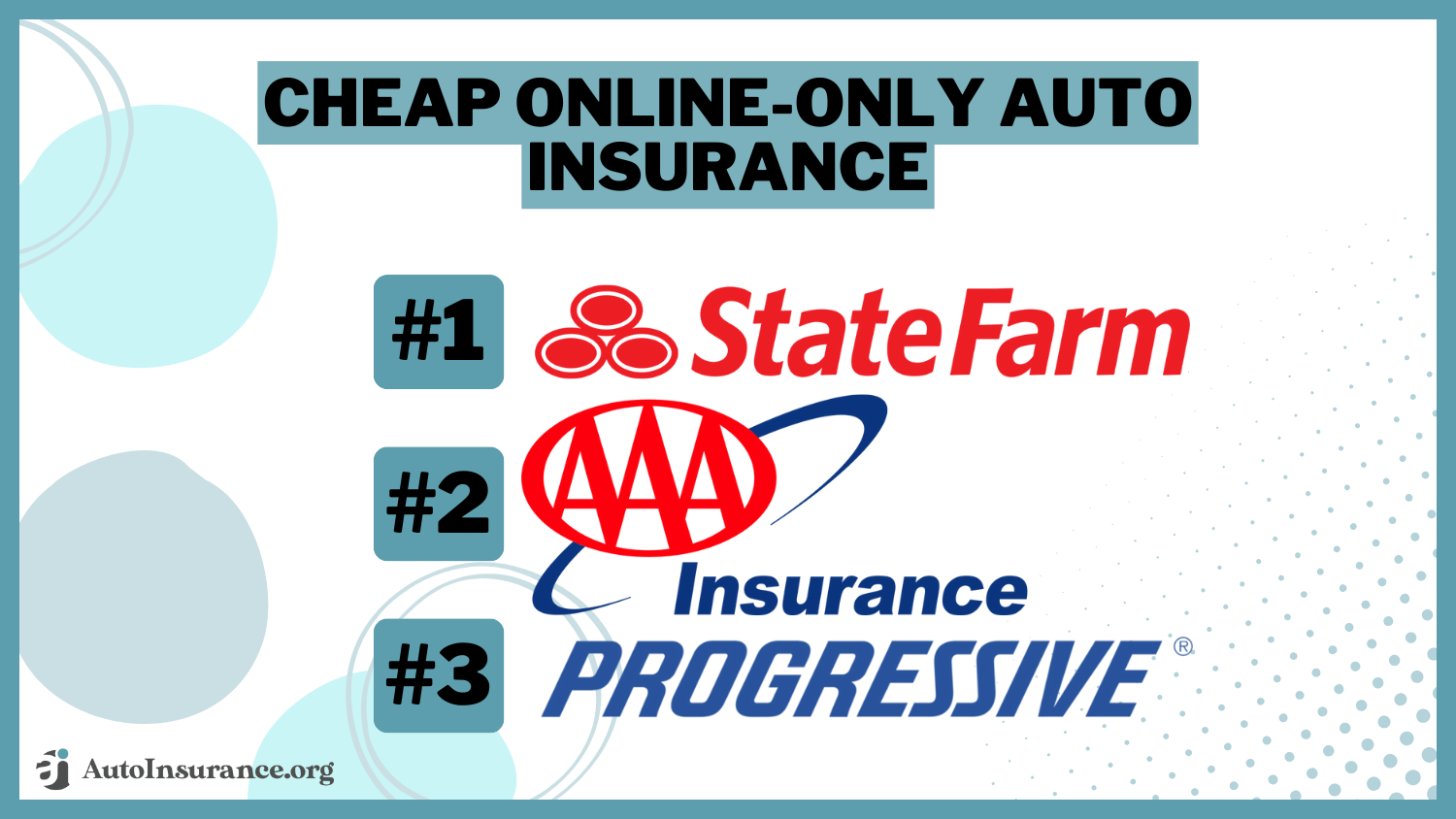
Lastly, explore using web-based comparison resources that simplify the procedure of collecting quotes. Many websites allow you to enter your details one time and get multiple estimates from several providers in just minutes. Texas cheap car insurance saves time but also makes it more straightforward to see the variations between various coverage options. Don’t forget to check any extra discounts that may apply, as some insurers provide lower costs for aspects like safe driving history or combining insurance.
Common Auto Insurance Misconceptions
Many people harbor misconceptions about auto insurance that can lead to confusion and potentially costly mistakes. One prevalent belief is that maintaining a clean driving record automatically guarantees the minimal premiums. While a clean record is advantageous and can lower your costs, insurers evaluate various factors such as your credit score, the kind of vehicle you drive, and your where you live. Therefore, it is important to realize that while a good record is beneficial, it is just one aspect of the picture when determining your auto insurance costs.
Another frequent myth is that the color of your car can influence your insurance premiums. Many people think that certain colored cars are more costly to insure, but this is simply not accurate. Auto insurance companies do not factor color into account when determining premiums. Instead, they concentrate on safety ratings, theft rates, and repair costs related to different makes and models. So when choosing a car, concentrate on safety and reliability rather than its hue.
Lastly, some drivers think that coverage might be unnecessary for aged vehicles. While it might seem sensible to drop full coverage on a car with a decreasing value, this strategy can lead to significant financial losses if the vehicle is part of in an incident. A comprehensive or collision policy could still be beneficial, especially if the car is in good condition or holds emotional significance. It’s important to evaluate the potential risks rather than solely concentrating on the age of the vehicle.
Tips for Cutting Expenses on Auto Insurance
A effective way to save on car insurance is to compare and evaluate quotes from multiple providers. Costs can fluctuate significantly between insurers, so taking the time to compare can result in considerable savings. Think about utilizing online comparison tools that allow you assess different policies and coverages side by side. Furthermore, ask about discounts for bundling several policies, such as auto and home insurance, which can typically lower your overall premium.
A further strategy to cut your auto insurance costs is to boost your deductibles. A higher deductible usually lowers your monthly premium but means you will pay more out of pocket in the case of a claim. It's crucial to pick a deductible that you can comfortably afford in case of an accident. Additionally, having a safe driving record and staying clear of accidents can help keep your premiums down, as many insurers present safe driver discounts.
Finally, evaluate reviewing your coverage needs from time to time. As your circumstances evolve, such as your car's value diminishing or changes in your mileage, you may be over-insured. Adjusting your coverage or cutting out unnecessary add-ons can result in considerable savings. Always stay informed about new discounts and opportunities offered by your insurer, as these can vary often and may present additional ways to save on your auto insurance.