

The landscape of car insurance is going through a major transformation, shaped by advancements in tech and changes in consumer demands. With vehicle habits adapt and vehicles become smarter, the auto insurance industry is adjusting to address new needs. These developments not only boost the client experience but also aim to boost the fairness of coverage rates.
Advancements such as telematics, machine learning, and usage-based insurance are paving the way for a more individualized approach to car insurance. Looking towards the future, it is essential to explore the trends that are shaping this field and how they will impact both insurance companies and consumers alike. Comprehending these advancements can help consumers make knowledgeable decisions and navigate the intricacies of auto insurance in an ever more dynamic market.
Emerging Technologies in Car Insurance
As the vehicle insurance industry changes, new technologies are reshaping how insurers determine risk and engage with policyholders. Advanced data analytics and artificial intelligence are now vital tools for insurers, enabling them to examine vast amounts of driving data gathered from telematics devices. These devices monitor driving behavior, providing insights into velocity, braking patterns, and overall safety on the road. Insurers can use this data to design personalized policies based on unique risk profiles, leading to more accurate premiums and potentially lower costs for responsible drivers.
Another significant technological breakthrough is the use of blockchain in car insurance. This technology provides transparency and security in transactions between insurers and policyholders. Smart contracts, a feature of blockchain, can automate claims processing, minimizing the time and complexity involved in resolving claims. By offering a secure and tamper-proof way to store insurance policies and claims history, blockchain can enhance trust between customers and insurers, eventually streamlining the entire insurance process.
Furthermore, the rise of connected cars is positioned to revolutionize the auto insurance landscape. With vehicles equipped with internet connectivity and advanced sensors, insurers can collect real-time data on vehicle condition and issues. This information not only helps in risk assessment but also allows proactive measures to prevent accidents. As the market for connected vehicles expands, anticipate to see insurance products specifically designed for these smart vehicles, adapted to their unique features and the data they provide.
Trends Transforming the Future of Auto Insurance
One of the key developments redesigning auto insurance is the adoption of technology, notably the use of telematics. Insurers are progressively employing devices that track driving behavior, such as speed, braking patterns, and even time of day driving. This data allows companies to offer tailored premiums based on individual risk profiles, promoting more responsible habits and possibly decreasing costs for consumers who demonstrate responsible behavior. By harnessing this real-time information, the industry is moving towards a more customized approach to pricing and policy development.
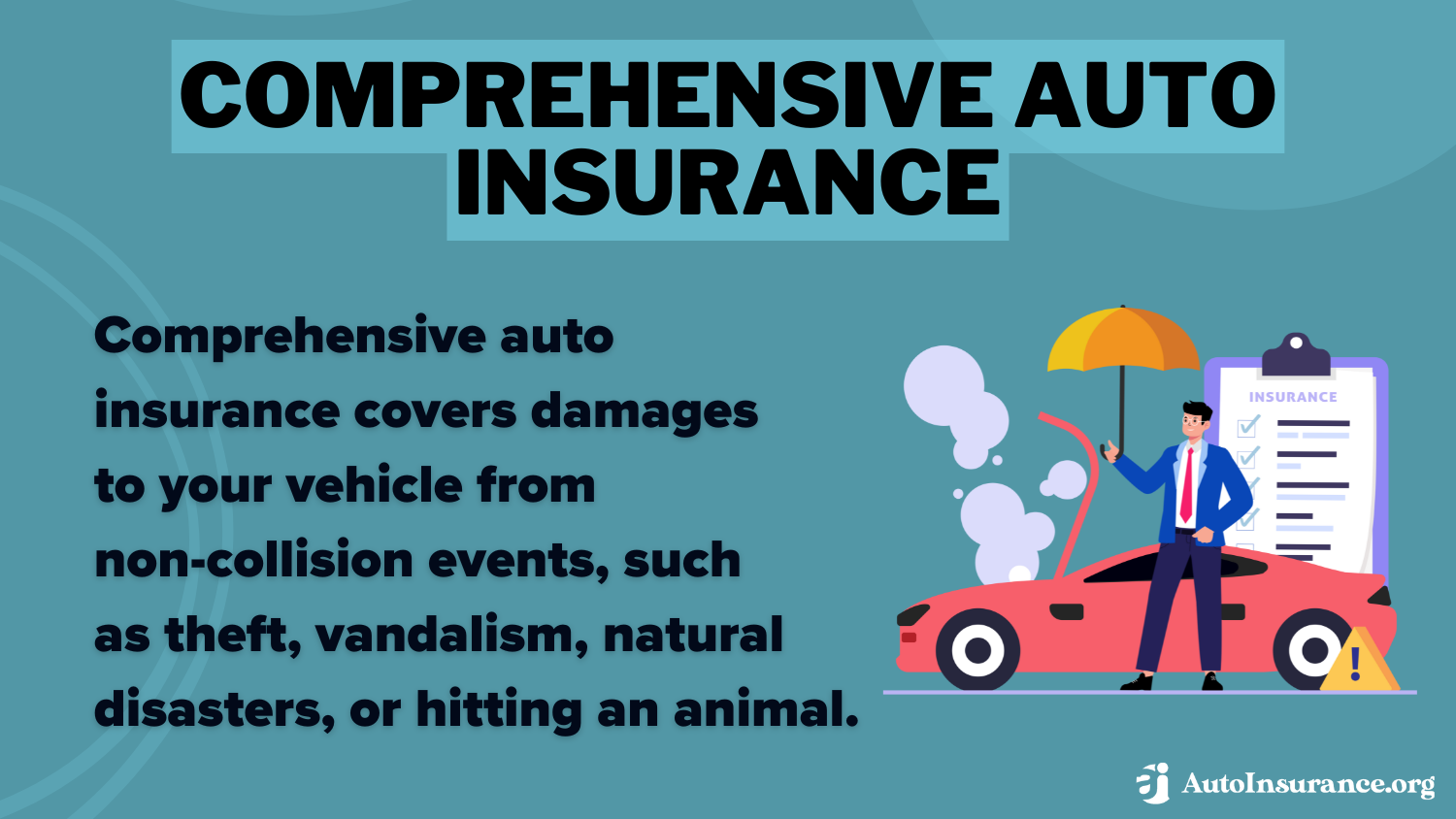
One more pivotal trend is the rise of usage-based insurance models. As full coverage cheap car insurance explore alternative transportation options and adopt car-sharing services, insurers are starting to offer flexible coverage that caters to diverse driving habits. This shift reflects a transformation in consumer behavior, with many individuals seeking insurance that corresponds to their actual usage rather than the traditional fixed annual premiums. As a result, policy packages are designed to cater to occasional drivers or those who use alternative vehicles, improving accessibility and affordability in the insurance market.
Moreover, the emergence of artificial intelligence is revolutionizing claims processing and customer service in auto insurance. Automated systems can assess claims quickly, reducing the time it takes for consumers to receive payments or repairs. Additionally, AI-powered chatbots and virtual assistants are bettering customer interactions, providing prompt responses to inquiries. This trend not only improves customer satisfaction but also lets insurers to streamline operations and reduce administrative costs, paving the way for a more efficient and responsive insurance landscape in the future.
Influence of Artificial Intelligence and Large Data Sets on Pricing
Artificial Intelligence and Large Data are changing how car insurance providers evaluate risks and establish rates. By utilizing vast amounts of data, these technologies enable insurers to evaluate driver behavior in real-time, taking into account multiple factors such as driving patterns, use of vehicles, and including environmental conditions. This complex analysis enables insurers to offer personalized pricing that reflect individual risk profiles rather than depending on generalized statistics.
Furthermore, artificial intelligence algorithms can quickly process claims and detect fraud more effectively than traditional methods. This not only speeds up the claims process for honest customers but also reduces costs for insurers, leading to more competitive rates. As insurers continue to improve their methodologies using ML techniques, the precision of risk evaluations will only improve, resulting in more equitable insurance premiums tailored to each policyholder.
As the adoption of AI and large datasets becomes more prevalent, we can anticipate a substantial change in how drivers perceive car insurance. The transparency brought about by personalized pricing will enable drivers to make better-informed choices about their insurance. Consequently, this could result in a more dynamic landscape where consumer loyalty is driven by quality and customer service rather than only brand recognition, paving the way for novel offerings in auto insurance.