

Discovering methods to save expenses is always a priority, notably when it comes to necessary expenses such as auto insurance. Auto insurance is not just a legal duty in many places, but it also provides vital protection for you and the vehicle. However, the costs can swiftly increase, leaving many drivers looking for effective methods to lower their insurance costs without sacrificing coverage.
Fortunately, there are several effective tips that can help you boost your cost savings on vehicle insurance. From comparing for lower rates to leveraging discounts, forming wise choices can lead to significant savings. In this guide, we will explore various methods you can employ to confirm you are not paying too much for your vehicle insurance, letting you to keep extra funds in your pocket while still enjoying the peace of mind that comes with having adequate coverage. ## Grasping Automobile Insurance Costs
Car insurance premiums are established by a variety of considerations that can greatly affect the sum you pay. Insurance providers consider personal details such as your age, male or female, and driving background. For illustration, drivers under a certain age or those with a history of accidents or traffic infractions may experience greater rates due to the assumed hazard. Additionally, the kind of car you operate plays a critical role; fast cars frequently come with elevated insurance expenses.
One more essential factor in calculating your auto insurance rates is your residence. Urban areas with greater traffic congestion typically lead to higher rates, as the likelihood of accidents is higher. In comparison, countryside areas may have diminished rates due to lower crash occurrence. car insurance companies near dallas, tx -specific elements, including theft rates and weather patterns, can also affect your overall premium amount.
Finally, the coverage options you select and your selected deductible can significantly affect your insurance costs. Full coverage, which encompasses a larger range of protections, will probably cost greater than a standard policy. Furthermore, choosing a greater deductible can lower your periodic premium, but it also implies you'll spend greater out of pocket in the event of a claim. Understanding these elements can help you arrive at educated choices about your vehicle insurance to ultimately decrease your payments.
Tips to Diminish Your Insurance Costs
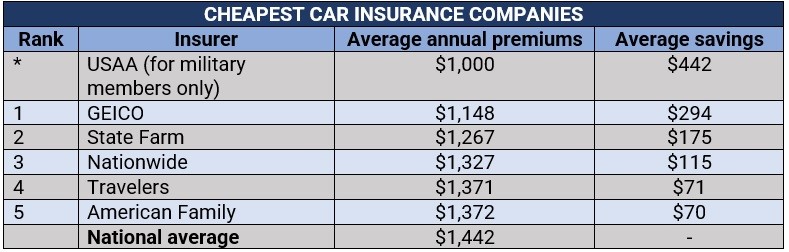
One efficient way to lower your car insurance premium is to compare prices and evaluate quotes from different providers. Various insurance companies have varying rates and discounts, so it is wise to take the time to research and find the most suitable deal. Make use of online comparison tools or work with an insurance agent who can guide you through your options and ensure you are obtaining the best coverage for your budget.
A further tactic is to increase your deductible. By choosing a larger deductible, you can significantly reduce your monthly premium. However, it is important to ensure that you can easily afford the deductible in the event of a claim. Balancing a higher deductible with your financial situation can lead to savings while still providing you with appropriate protection.
Finally, consider taking advantage of available discounts. Many insurers offer discounts for various reasons, such as having a good driving record, combining multiple policies, or being a part of certain organizations. Engaging with your insurance provider to inquire about all possible savings can help you maximize savings opportunities, making your auto insurance more manageable.
Evaluating Insurance Options
When thinking about car insurance, it's essential to evaluate the insurance options available to you. Begin by understanding the different types of coverage, which include liability, collision, and comprehensive insurance. Liability coverage is generally required by law and covers you if you're at fault in an accident. Collision coverage aid pay for repairs to your car after an accident, while comprehensive coverage protects against non-collision incidents such as theft or natural disasters.
Next, assess your personal needs and driving habits. If you have an older vehicle, you may want to think twice about whether collision and comprehensive coverage are necessary, as the premiums may outweigh the car's value. Conversely, if you drive frequently or have a new car, higher coverage limits could provide reassurance. Additionally, think about your financial situation and what you can afford in terms of deductibles and out-of-pocket expenses in the event of a claim.
Finally, always compare quotes from multiple providers when reviewing coverage choices. Rates can vary significantly between insurance companies, and discounts may be available based on factors like good driving records or bundling policies. Taking the time to shop around ensures you find the best policy that satisfies your coverage needs while aiding you cut on costs.